










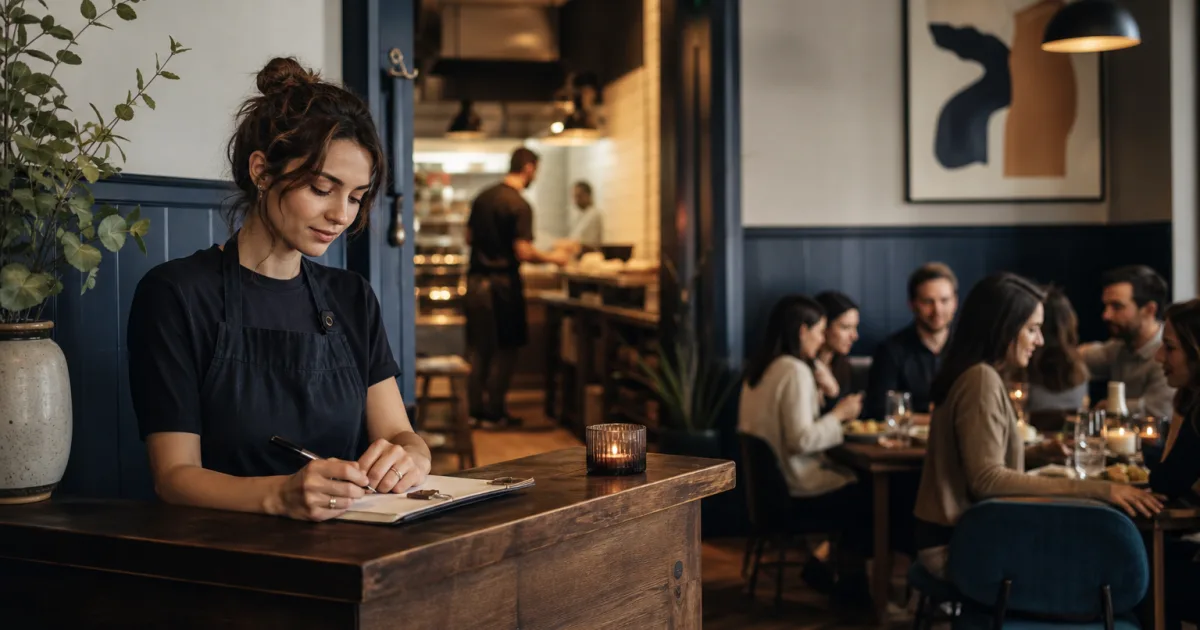
Why walk-ins and online reservations need one shared view of availability
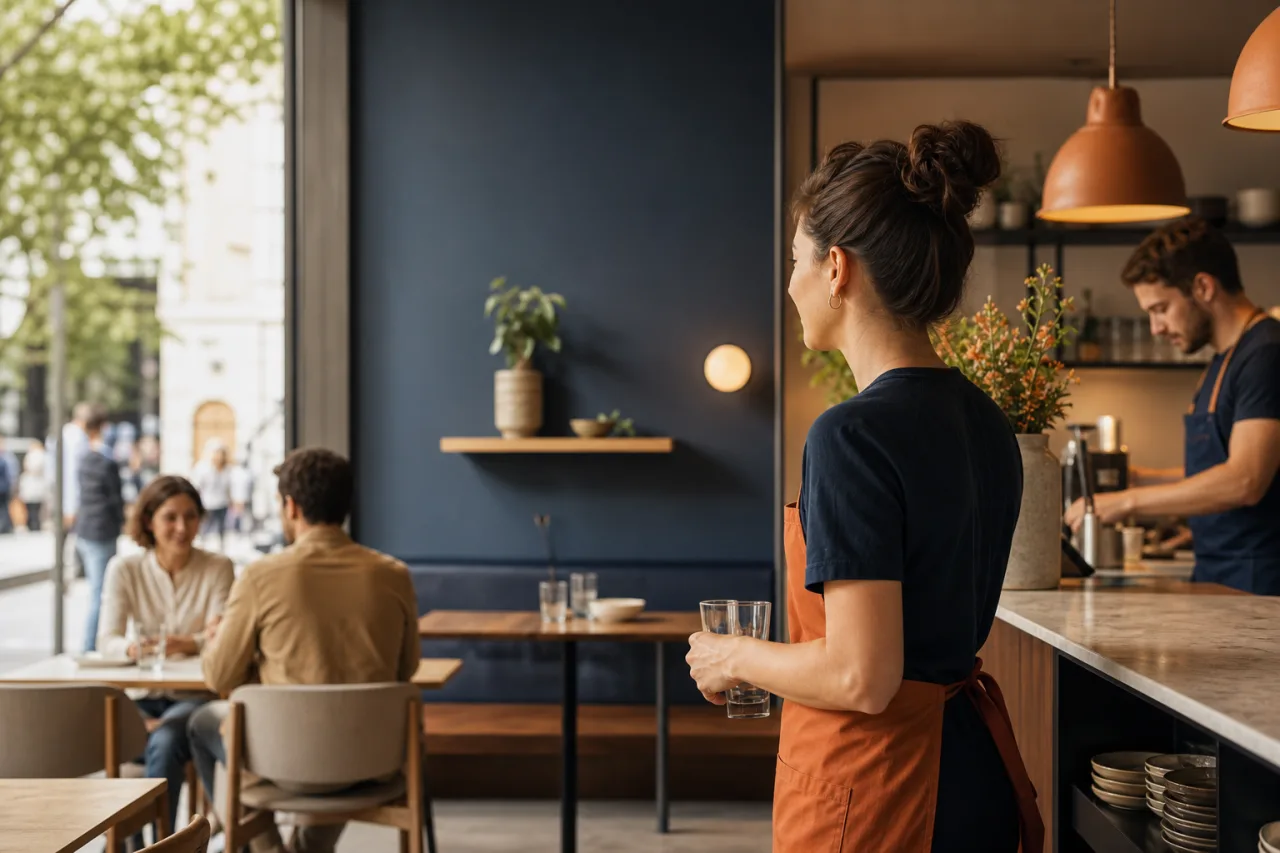
Walk-ins can fill quieter moments, welcome passing guests and give regular customers a chance to dine without planning ahead. Online reservations help guests plan their visit and help the team prepare before service. Both matter to a small restaurant or café, but they become difficult to manage when they are handled in separate places.
A host may remember a party waiting at the door, a manager may know that a table is nearly free, and online bookings may be recorded elsewhere. This can lead to the same table being promised twice, waiting guests being overlooked or suitable space being missed. To manage restaurant walk-ins and online reservations well, treat them as part of one live picture of the floor.
Every table should have a current use, a likely next use and, where relevant, a future booking. Every guest should be seated, expected, waiting or no longer waiting. This shared view gives the front-of-house team a calmer basis for decisions, especially at busy points in service.
A clear reservation workspace can support this approach by bringing online bookings, table availability, areas and the waiting list together. Restaurant reservations is designed to help small restaurants organise these service details from one clear view.
Set clear availability for each service before opening
Walk-in decisions are easier when each lunch, dinner or special service starts with a defined availability plan. Review which tables are available for online booking and which parts of the floor need flexibility. The aim is not to make every seat bookable or hold every seat for passers-by. It is to choose an approach that reflects how your venue actually operates.
Start with the practical shape of the service: the tables and areas in use, known reservations and the points when demand usually changes. A café with a strong early lunch rush may need a different approach from a restaurant receiving most walk-ins before an evening event. Make availability intentional instead of relying on last-minute guesswork.
Give the front-of-house team the same simple briefing. They should know:
- which service is currently open for bookings and walk-ins;
- which tables are assigned or likely to be needed soon;
- which areas suit different party sizes;
- when the next group of reservations is due; and
- who will keep the table view and waiting list current.
Clarity matters more than complexity. If only one person understands the plan, it can break down as soon as that person is greeting a guest or helping on the floor. Keep the information simple enough for the host, manager and service team to use consistently.
Decide which tables and time windows can accommodate walk-ins
An empty table is not automatically a walk-in table. It must be usable without disrupting a booked guest later in the service. Before offering it, ask two questions: what is its next commitment, and is there enough time for this party to be comfortably accommodated before that commitment?
The answer depends on your service pattern and the expected use of the table. A table with no later booking may be an obvious option. A table needed for an upcoming reservation may still suit a walk-in, but only when the team can make that promise responsibly.
At the start of service, it can help to identify practical categories:
- Open tables: tables with no known near-term commitment;
- Short-window tables: tables that may suit a walk-in for a limited period;
- Protected tables: tables best kept clear for a forthcoming reservation, a particular party size or an operational need; and
- Flexible areas: sections where seating arrangements give the team more options.
These do not need to be rigid labels shown to guests. They are a decision tool for the team. They can also prevent popular tables from being used too early while other suitable spaces go unnoticed.
When a table is available only for a limited window, explain this politely before seating the walk-in party. If it is not appropriate to promise a table now, offer the waiting list rather than an uncertain assurance. Clear expectations help guests understand the offer and help staff keep control of service.
Use the waiting list to record demand instead of relying on memory
A waiting list is more than a queue. It is a live record of guests who still want a table, what they need and when they arrived. Without one, the team relies on memory, scraps of paper or interrupted conversations. That becomes risky when several parties arrive close together or the host needs to step away.
Record each waiting party as soon as they agree to wait. Capture the details needed to make a fair, practical decision: the party name, number of guests, arrival time and any seating preference that matters to your operation. If you provide an estimated wait, base it on the current table picture rather than a generic answer.
Use a consistent order when offering tables. Arrival order is often the starting point, but table fit also matters. A two-person table may suit the next appropriate party, while a larger group needs a different space. The important point is that the decision is visible and explainable, rather than based on who asks again first.
Update the list as circumstances change. Remove parties that have been seated or no longer wish to wait, and revise expectations when incoming reservations, delayed tables or newly available spaces alter the situation.
A waiting list works best when it helps the team answer one question quickly: who can be seated next, and where?
Review tables and areas throughout service before promising a walk-in a seat
Availability changes throughout service. A reservation may arrive early, a table may take longer to finish, a group may be smaller than planned or an area may become more useful than it looked at opening. Balance walk-ins and reservations through frequent checks, not one decision made before doors open.
Before confirming a walk-in table, review the party size, tables in use, waiting list and next reservations. Look beyond the nearest empty table. Another area may be a better fit, or a table expected to clear shortly may better suit the next party waiting.
Assign a clear owner for updates during busy periods. In a small operation, this may be the host or manager; in a larger service, a floor lead may communicate changes to the person at the door. The role matters less than the habit: update table status, online reservations and waiting guests whenever meaningful changes occur.
Use concise internal language. Confirm whether a table is occupied, being cleared, available, held for a booking or being considered for a waiting party. Avoid vague statements such as “that one should be free soon” when a guest needs an answer. Also check areas, not just individual tables. A terrace, bar section or dining room may have its own rhythm and offer a way to preserve capacity for bookings while placing walk-ins appropriately.
Run a short post-service review to improve the next busy shift
The most useful improvements often come from a brief review after service, while details are fresh. Ask where walk-ins were seated successfully, where the waiting list became difficult to manage and whether any table was promised too early or held unnecessarily.
Look for recurring patterns rather than blaming one busy moment. A certain time window may consistently bring more walk-ins than expected. Particular table sizes may be in short supply, or an area may be overlooked as reservations arrive. Use these observations to adjust the next service’s availability plan.
- Compare expected reservations with how the floor actually moved.
- Note when the waiting list grew and which parties were hardest to place.
- Identify tables or areas that could have been used differently.
- Adjust the next service’s availability and walk-in approach.
This creates a repeatable workflow: prepare availability, assess each table against upcoming commitments, record waiting parties, review the live floor and learn after service. Over time, the team can develop a more consistent way to balance walk-ins and reservations without making the door feel rigid or disorganised.
Conclusion
Small restaurants do not have to choose between welcoming walk-ins and honouring online reservations. The practical answer is one shared view of tables, areas, bookings and waiting guests, supported by clear decisions before and during service.
Explore Restaurant reservations to organise online bookings, tables, areas and waiting lists from one clear view.